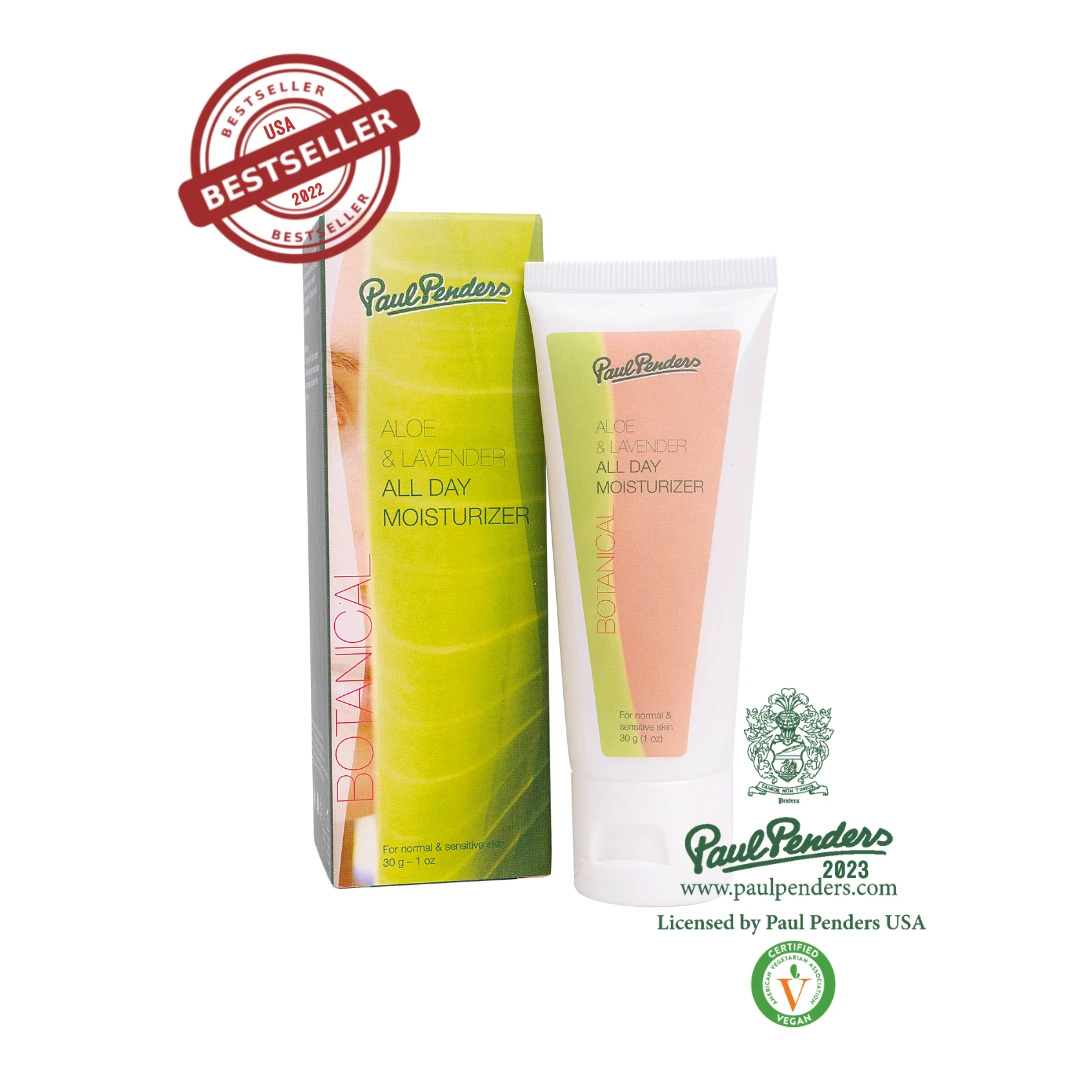
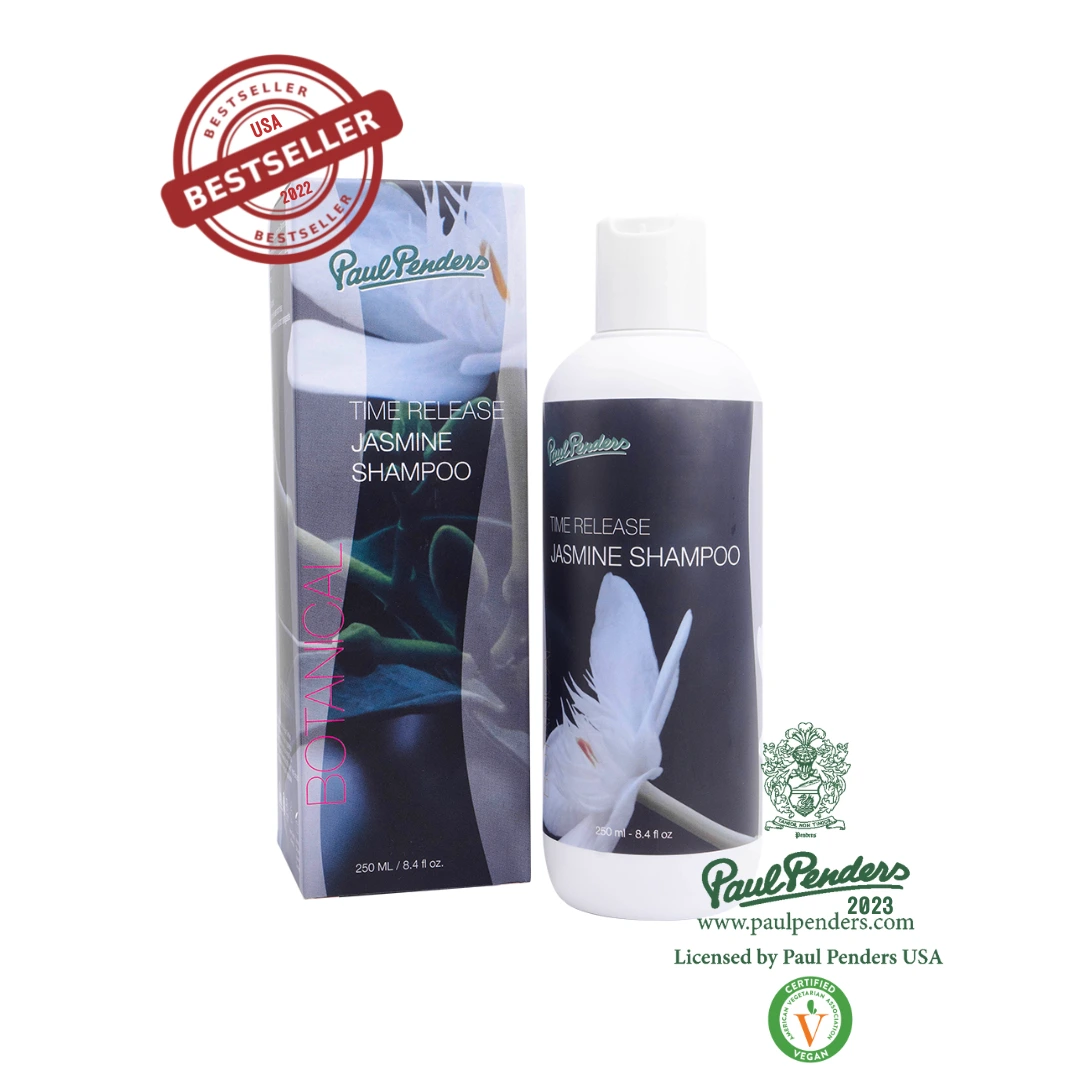
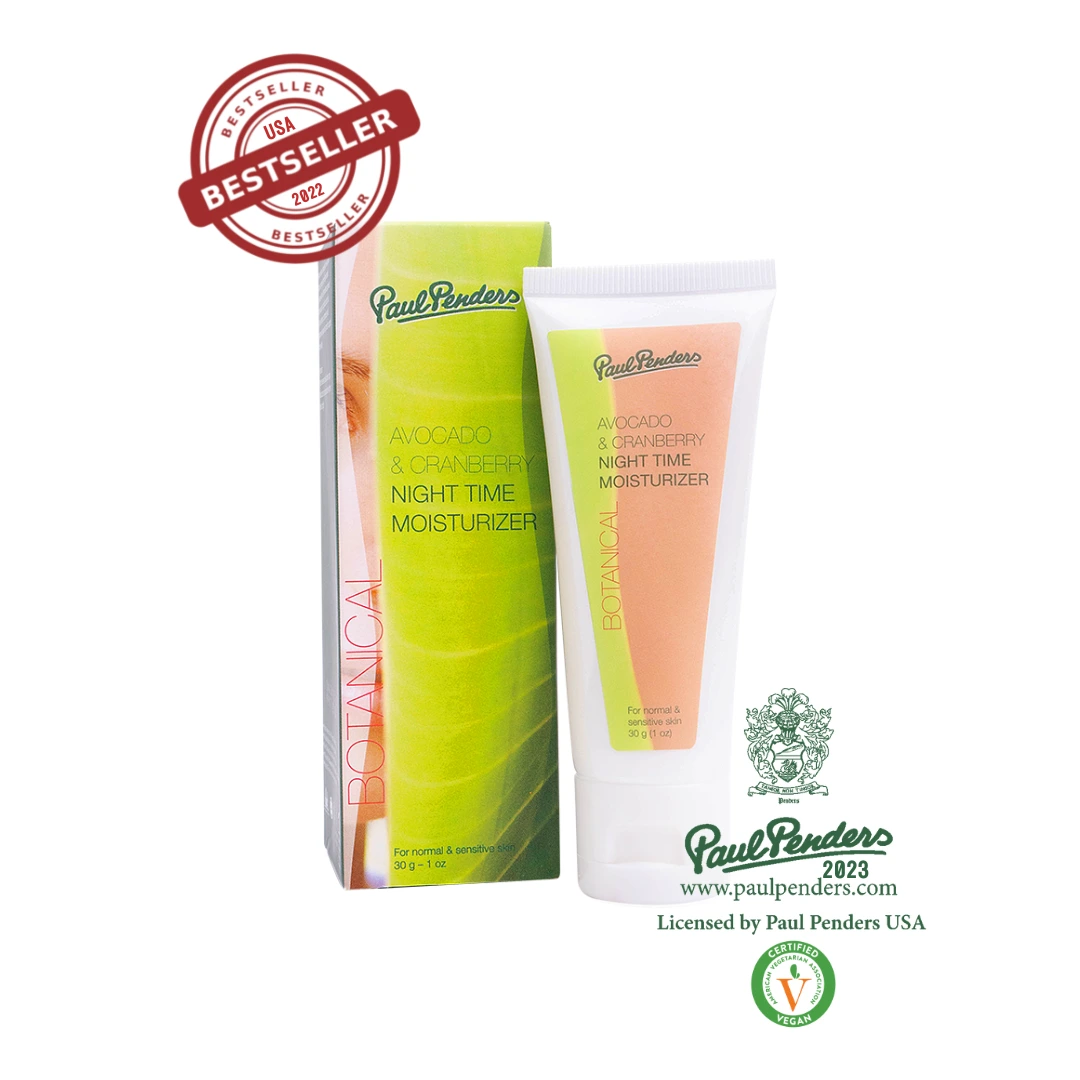
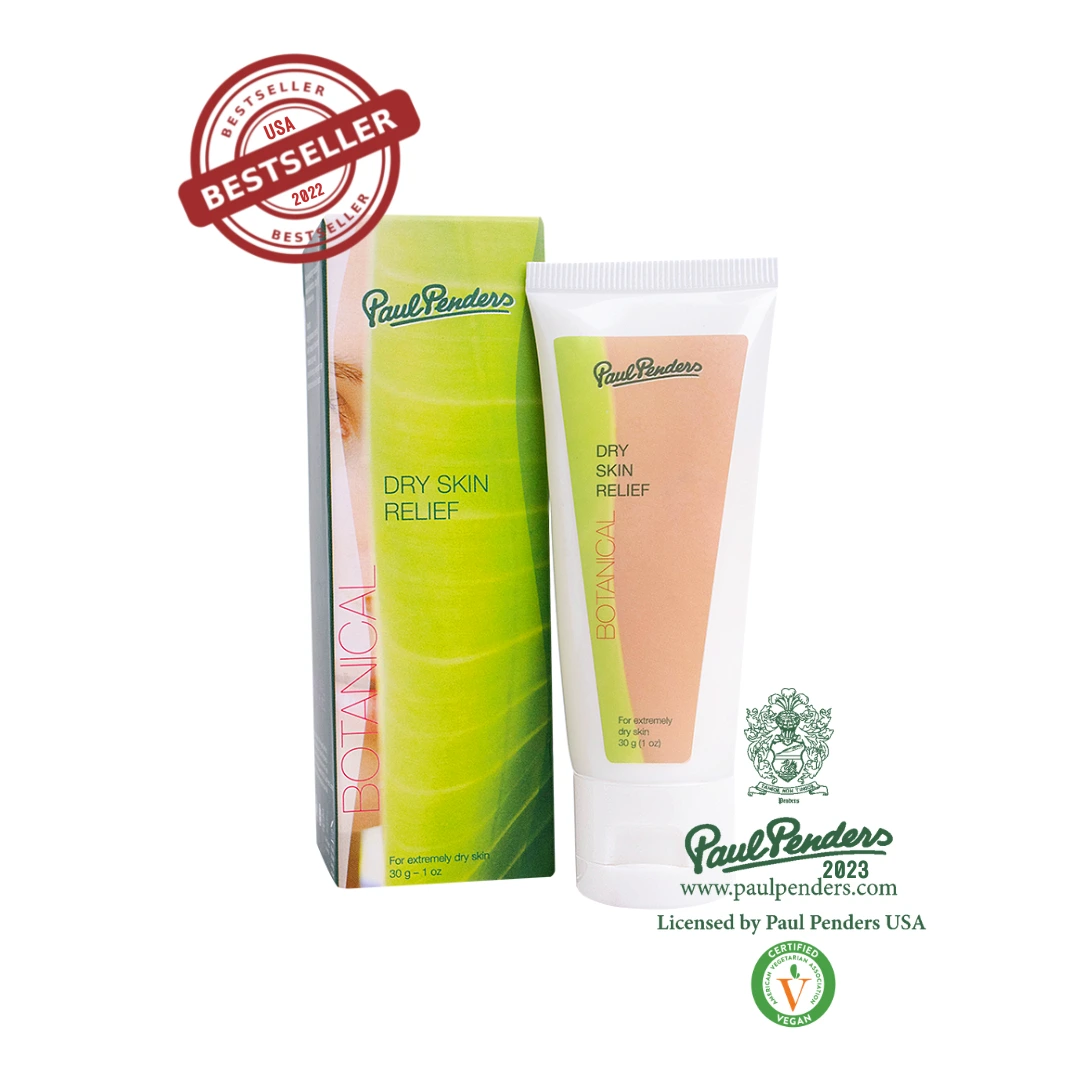
This
month, the UK Soil Association (UKSA) has issued a ban
on the usage of manmade
nanomaterials in all Soil Association-certified organic
products. This applies particularly to health and beauty
products, and echos the warnings Paul Penders has issued
about nanomaterials for many years.
The UKSA notes that
there is little scientific understanding about how
nanomaterials affect living organisms. Although the
government has reportedly acknowledged the risks, no
action has been taken to impose controls or require
disclosure of the substances on product labels. At the
same time, however, many of the largest beauty products
makers including L'Oréal, Unilever, Boots and Lancôme
are already developing and introducing these super fine
particles into their products.
Gundula Azeez, Soil
Association policy manager, said in a press
announcement: “The Soil Association is the first
organization in the world to ban nanoparticles. There
should be no place for nanoparticles in health and
beauty products or food. We are deeply concerned at the
government’s failure to follow scientific advice and
regulate products. There should be an immediate freeze
on the commercial release of nanomaterials until there
is a sound body of scientific research into all the
health impacts...."
A
nanoparticle is a very small particle less
than 100 nm in size. Because of this, they have a high
surface to volume ratio, which makes them very reactive
and able to pass through cell membranes easily.According
to the San Francisco Chronicle, "Animal studies
have shown that some nanoparticles can penetrate cells
and tissues, move through the body and brain and cause
biochemical damage. But whether cosmetics and sunscreens
containing nanomaterials pose health risks remains
largely unknown, pending completion of long-range
studies recently begun by the FDA and other agencies."